Stock footage was created as a way to give people access to things they couldn’t film themselves. Today, it’s easier than ever for someone in one part of the world to find high quality video of cities and places thousands of miles away to use in their projects. But with the advancements of generative AI video the internet is buzzing with discussions on what artificial intelligence means for creators.
What are the implications of simply being able to describe a scene and have an AI generator create it for you? What are the ethical considerations? How will it impact creative roles like filmmakers and video editors? In this post, we’ll dive into recent advancements in generative AI video, its reception among creators, why it’s too early to throw away your camera gear, and why resources like stock footage won’t be going anywhere anytime soon.
The latest advancements with generative AI video technology
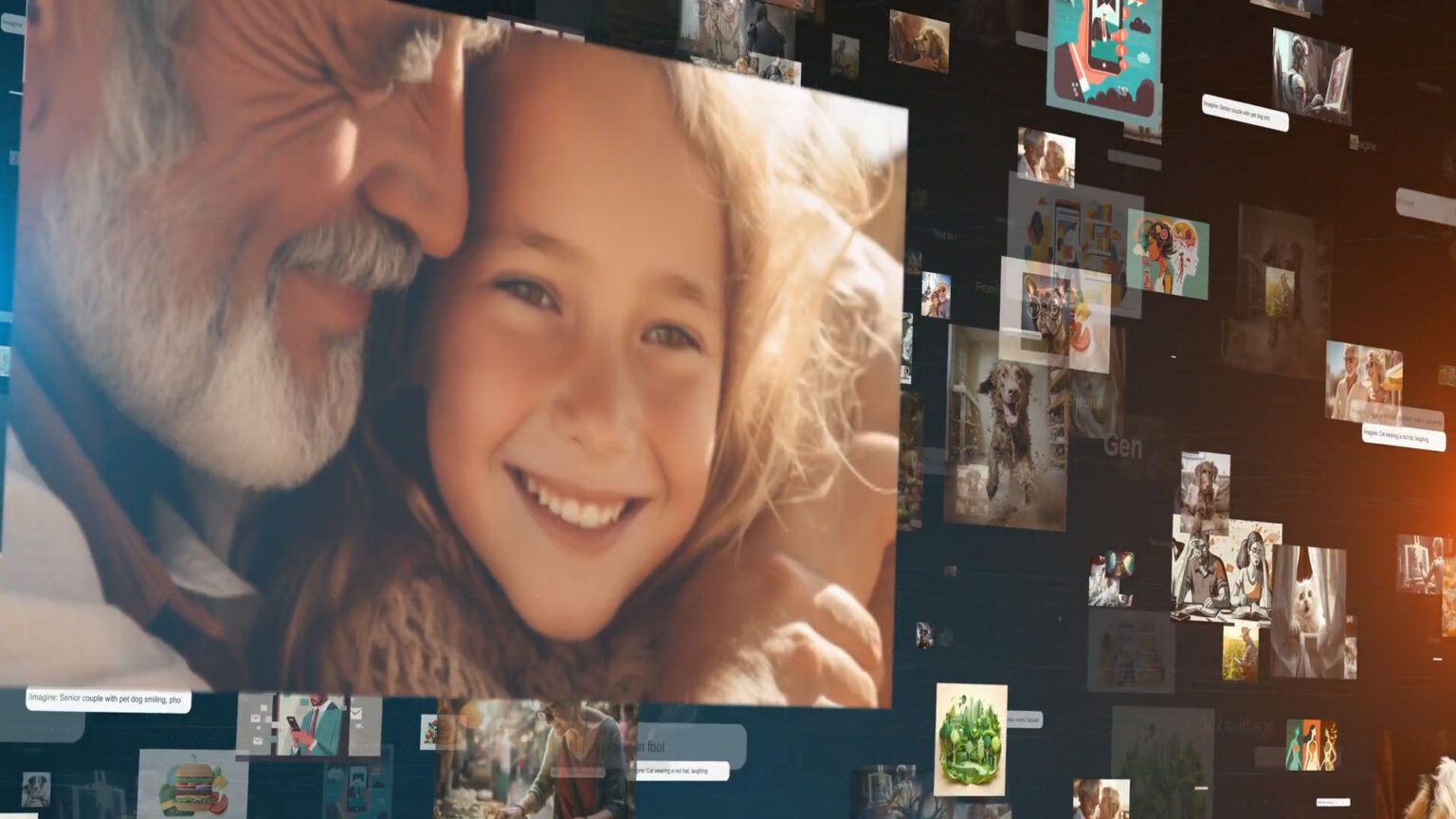
Artificial intelligence has quickly advanced in recent years, including video technology and tools. Video generation synthesis, which allows AI algorithms to create highly realistic videos from textual or graphic input, has been one major milestone.
The fast-paced race to develop generative video models
In January 2024, Google Research put out a paper on Lumiere, “a text-to-video diffusion model designed for synthesizing videos that portray realistic, diverse and coherent motion.” Right on the heels of that release, OpenAI announced Sora, their own text-to-video model that can generate videos up to a minute long, setting a new standard for the length generative video is able to create.
Then in May 2024, Google announced Veo, their multimodal video generation model. Now, Google offers Veo 3.1, their video model that generates clips up to 8 seconds long in 4K and 9:16 vertical formats as of January 2026. While generative video models are improving quickly, many of them still have kinks and issues to refine and work out. This also means not all of them will survive – just over two years after being announced, OpenAI announced in late March 2026 that they are sunsetting Sora as well as its video platform app.
But a lot of competition is being stirred up from Chinese labs. Kling 3.0 is the fastest AI video platform in history to reach $300 million in annual recurring revenue, while Seedance’s 2.5 model rolled out at the end of July 2026 with claims that it can create 30-second 4K clips with audio while using up to 50 reference image inputs. It’s clear that the competition to roll out improvements and update models the fastest is fierce, though time will tell which ones actually deliver and which are just hype.
As generative video develops, so does deepfake technology – and laws are slow to catch up
Deepfake technology has also made significant strides in development. This technology creates AI-generated media that has been digitally manipulated. It’s capable of manipulating video to swap out faces, change facial expressions, and even create entirely new content based off of existing video. More so than any other kind of generative AI video technology, deepfakes have been very controversial due to the different ways that they can be used to create harmful or fake content.
In May 2025, The TAKE IT DOWN Act became law, which gives people a direct legal path to take against non-consensual AI-generated content. It, and statutes passed in California, Texas, New York, and Minnesota, are all good first steps in helping address the real damage and threat that deepfakes and other AI-generated content can have, but there’s still a long way to go to give people true protection.
Reception among creators
Overall, these recent developments have been met with mixed feelings from creators. We surveyed over 700 Storyblocks members to learn more about how they are (or aren’t) using generative AI, where it works, where it falls flat, their concerns, and how audiences are responding. You can read the full report, Authenticity in the Age of Generative AI, for free – just sign up to download your copy!
Some see them as a game-changer that will give them unprecedented efficiency and creativity when it comes to video production. Others are more skeptical about generative AI video. They have valid concerns about the potential for artificial intelligence to replace human creativity and craftsmanship.
With AI, there’s a potential future where content becomes stale and homogenized with widespread impact to professionals within the industry. Storyblocks surveyed the artists who contribute to our stock library about AI, and while they view it as a positive change, they have questions about compensation and long-term impact on their businesses.
Which is completely understandable, as more stock media companies are adding generative AI content into their libraries. So when someone opts for downloading a generated asset vs a human-made one, that directly hurts the artist’s income.
Challenges with mass adoption
Despite recent advancements, generative AI video is facing a wide array of challenges before it becomes available as a tool to the public. Even Sora’s team has been open in acknowledging the current limitations. Some of these roadblocks include:
- Quality: As of today, AI generated video can’t match the level of detail, nuance, and emotional resonance found in video created by people. Not to mention that currently, most of these programs aren’t able to create sound to go along with the video they create.
- Resources: Running a generative video program requires a lot of computational resources and expertise to develop and use it, which most creators won’t have. This is also the main reason that most generative videos you see today tend to be fairly short.
- Ethics: As AI gets better at creating realistic content, the risk of misuse and exploitation increases, as we’ve seen with deepfakes. Not to mention ethical concerns with intellectual property rights and data privacy – something that Forrester analyst Thomas Husson cited as one of the likely reasons that OpenAI decided to close their Sora app. As of August 2026, Disney, Universal, and Warner Bros. all have active lawsuits around IP/copyright violations with generative products.
- Bias: AI image creation tools like Adobe’s Firefly and Google’s Gemini have been in the news recently due to offensive racial and ethnic depictions of people. This happened despite these tools being trained on different datasets, so there’s a strong possibility that the same issues will appear in generative AI video.
The role of human-created footage and resources like Storyblocks
While the excitement and discussion around generative AI video will continue to be in the spotlight for the foreseeable future, it’s important to remember that platforms providing footage created by people around the world play a crucial role today.
When you download a footage clip from Storyblocks, you can trust that it’s been filmed by an independent creator, not created by generative AI. When Storyblocks was launched, our goal was to support independent artists worldwide while providing affordable, accessible footage to the creators who needed it. And it’s still our goal today.
With over 8 million high-quality, 100% human-made assets in our library, creators and businesses alike are able to find a diverse range of stock for any and every project. With one plan, you get unlimited downloads of any of our footage in HD, 4K, or 8K. So you never have to compromise on production value.
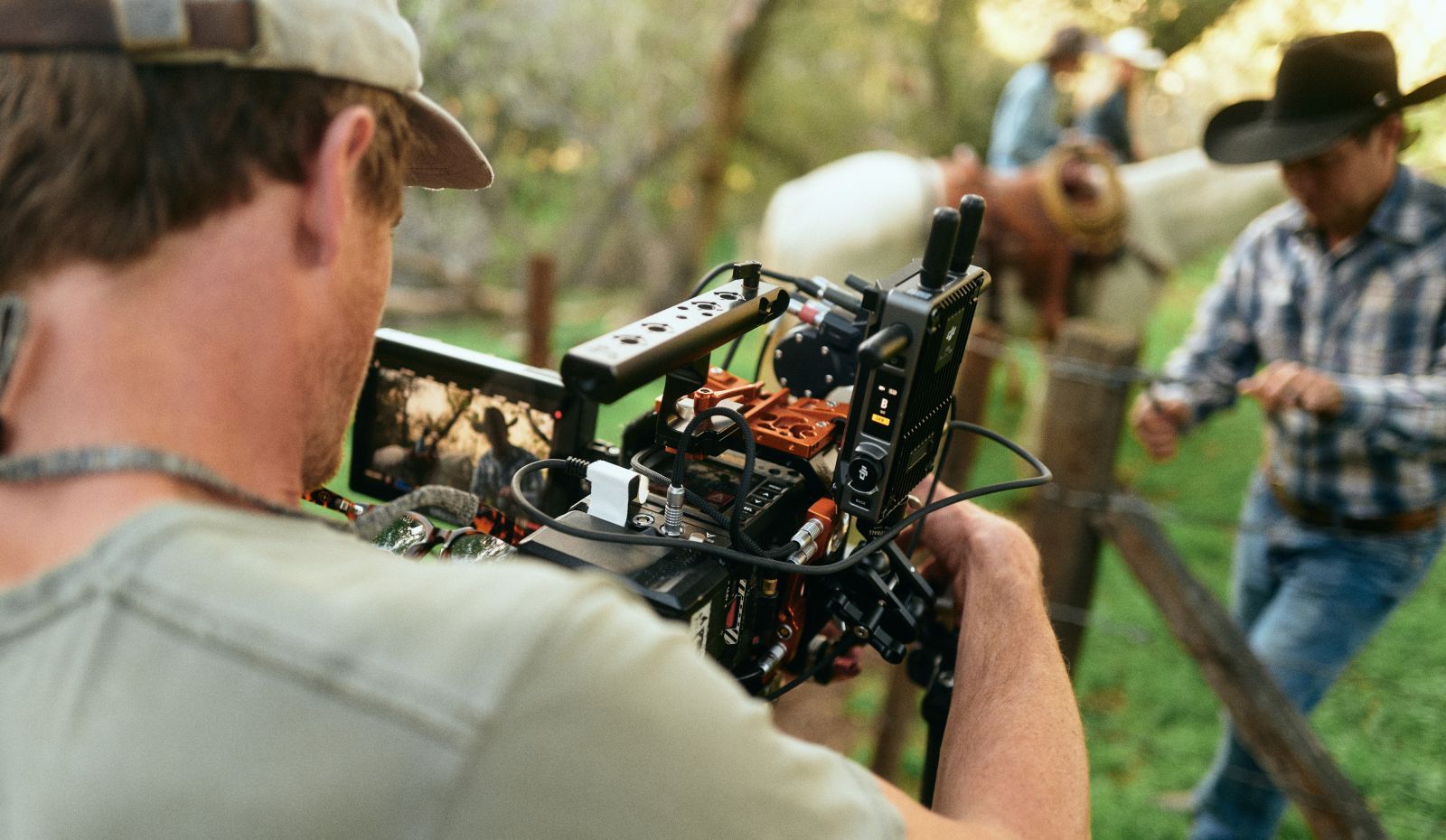
We always strive to keep our demand-driven library full of the content you want to see. Whether it’s through diversifying the communities shown in our footage with initiatives like Re:Stock, or prioritizing adding content that our members are searching for.
Is there AI-generated footage in the Storyblocks library?
No – while Storyblocks does have an AI Toolkit that includes a Video Generator, it’s entirely separate from our human-made stock library. We don’t accept generative AI submissions, so you can trust that every stock asset in our library is made by a real person and every download helps directly support their work.
Where we use AI in our product
Our AI Toolkit includes four different generative tools – Voiceover, Video Generator, Image Generator, and Video Editor. We see generative AI video as a tool to use for when you want to quickly change something in a clip, you need niche footage you can’t find anywhere else, or you want to quickly mock something up for pre-production.
But we still believe the best work starts with authentic, human-made stock assets and those deserve credit as inputs. So anytime you use our Video or Image Generator and include an image from the Storyblocks library as a reference or starting frame, the artist who created that image is compensated.
We’re also utilizing AI and machine learning to make our library work better for you, along with providing valuable tools to aid your production workflow. You can learn all of the ways that we’re using artificial intelligence in our product in our AI Transparency Statement.
The future of generative AI video
In the coming years, the impact of artificial intelligence on the creative landscape will only continue to grow. But as it does, it’s essential that the companies developing these tools and solutions focus on their customer needs. Technology shouldn’t be determining where AI goes. It should support storytellers and help them elevate their craft. Generative video has the potential to revolutionize how we create and consume content.
Realizing that potential, however, requires addressing the challenges we outlined above to create ethical, bias-free AI content. But to make sure that AI remains a force for innovation and empowerment, not a source of division and disruption, there needs to be collaboration. Creators, industry stakeholders, and policymakers have to work together to ensure the best outcome for an AI-enhanced future.